

Finding and treating corrosion
Corrosion slowly eats away metal and can weaken aircraft structures. Engineers inspect for corrosion, remove it, treat the area and protect it.
Corrosion control is part of every maintenance programme.
Common types of corrosion
Surface
Pitting and general surface corrosion.
Intergranular
Along grain boundaries inside metal.
Galvanic
Between different metals in contact.
Stress corrosion
Cracking under stress and corrosion.
Corrosion inspection and repair
Engineers check high-risk areas such as wheel wells, bilges and toilets, remove corrosion, apply treatment and restore protective coatings.
- High-risk areas
- Removal
- Treatment
- Protective coatings
Where you study corrosion
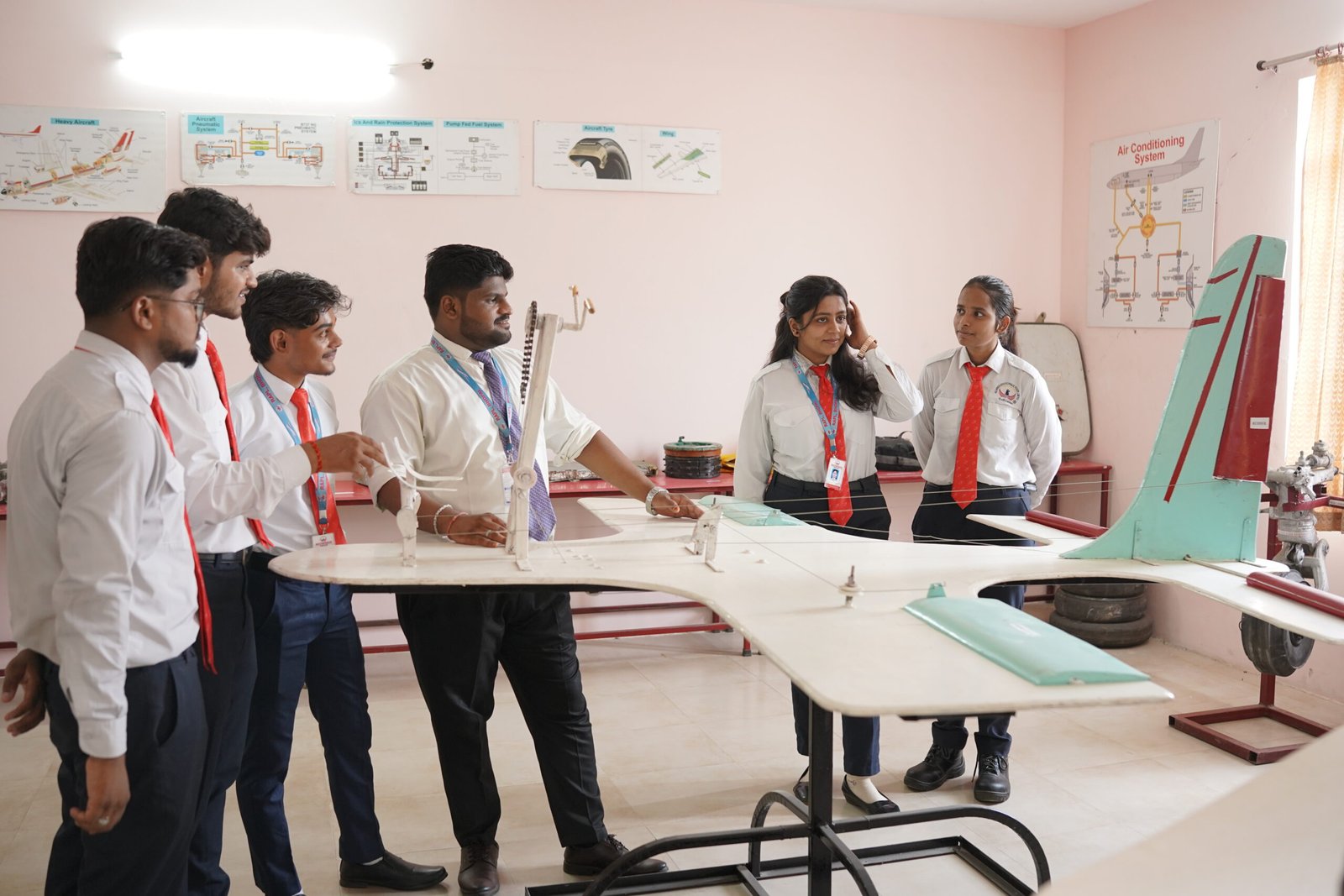
Module 6 covers corrosion, and Module 7 covers practices.
- Module 6
- Module 7
- Workshop practice
- Faculty guidance
Train at Redwings Aerotechnique, Bhopal
Redwings Aerotechnique is a DGCA-approved CAR-147 basic maintenance training organisation in Bhopal, Madhya Pradesh. It is part of Redwings Group, which also runs its own DGCA-approved CAR-145 maintenance, repair and overhaul organisation. This connection means students learn aircraft maintenance from people who work to real industry standards every day.
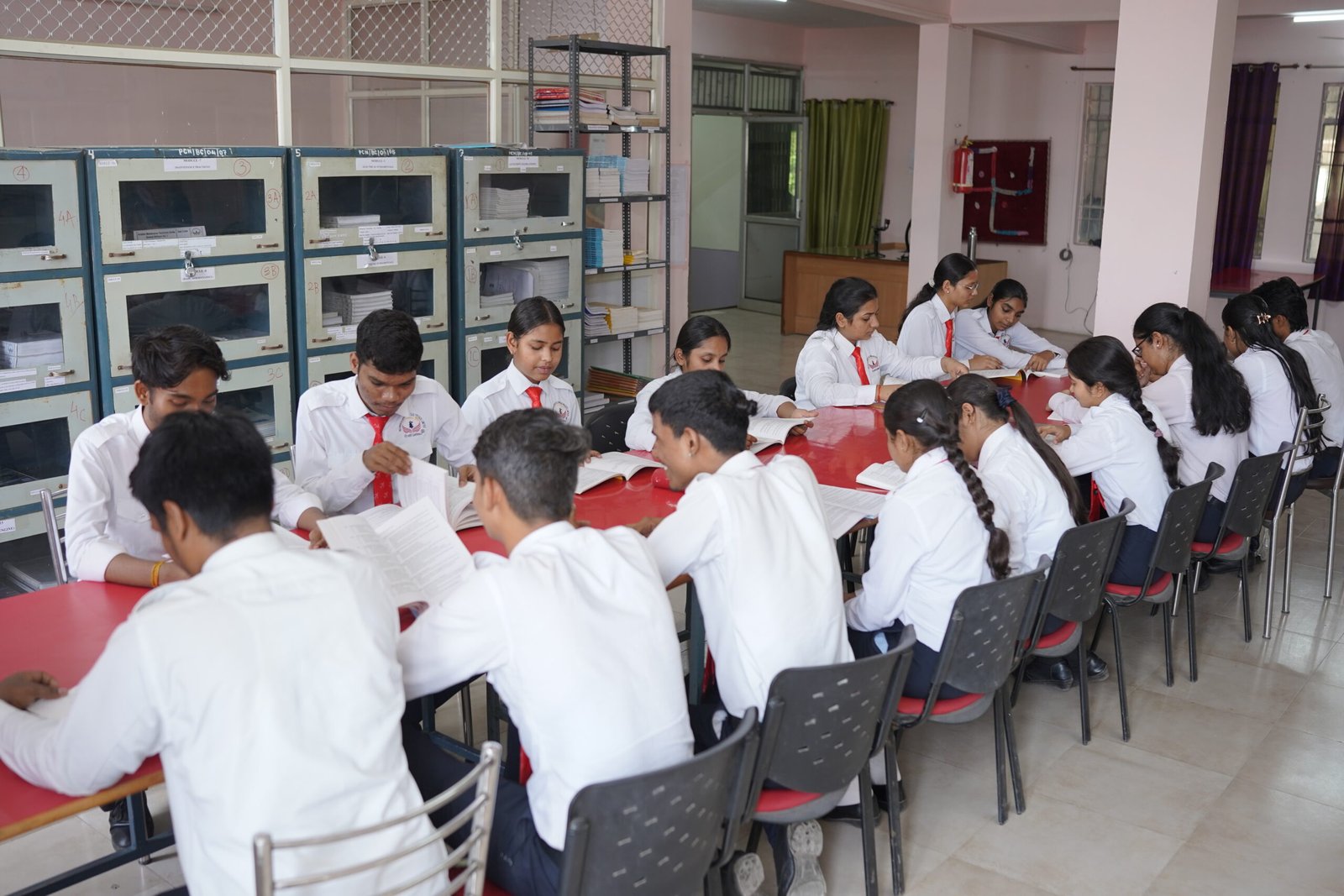
Students can choose the B1.1 (turbine aeroplanes), B1.2 (piston aeroplanes) or B2 (avionics) stream, or the dual programme AME + B.E. Classes follow the DGCA syllabus and are supported by an engine system lab, airframe system lab, electrical, radio navigation, instrument and battery workshops, a general workshop, audio-visual classrooms and a library. Teaching and counselling are available in Hindi and English.
Admission is through the Redwings Aerotechnique admission test, or by direct joining after an eligibility check. Merit scholarships are offered on the admission test score. Redwings students have recorded 100% results in DGCA module examinations across several sessions, and the first Redwings batch achieved 100% placement in airline and MRO jobs.
You are welcome to visit the Bhopal campus to see the labs and workshops, meet the faculty and talk to the admission team before you decide. Parents can join the counselling session too.
Visit or call us
- Pragyan Nursing College Campus, Abbas Nagar, Gondermau, Bypass Road, Gandhi Nagar, near R.G.P.V., Bhopal 462036
- +91 95891 97505
- +91 96855 57506
- redwingsaerotechnique@gmail.com
Why students choose Redwings
Why corrosion control never stops
Corrosion is the slow chemical attack on metal caused by moisture, salts, chemicals and contact between different metals. Aircraft operate in changing environments, from humid coastal airports to cold, high-altitude cruise, so corrosion is always a risk. Left untreated, it reduces the strength of structural parts and can lead to costly repairs or safety problems.
Where corrosion hides
Some areas are especially prone to corrosion: wheel wells exposed to water and runway debris, bilge areas under floors where fluids collect, galleys and toilets, battery compartments, joints between different metals and areas where protective paint or sealant has been damaged.
The control cycle
Corrosion control follows a simple cycle: inspect, remove, treat and protect. Engineers find corrosion during scheduled inspections, remove the corrosion products carefully, assess the remaining material against limits in the manual, apply chemical treatment, and restore primer, paint and sealant.
Prevention
Good drainage, regular cleaning, correct sealing, using the right fasteners and keeping protective coatings intact all help prevent corrosion. Operators also follow corrosion prevention and control programmes as part of their maintenance programme.
Learning it at Redwings
Corrosion is covered in Module 6 Materials and Hardware, with practical aspects in Module 7. Students learn to identify types of corrosion, understand limits and follow approved procedures, building the habits that keep aircraft structures safe for many years.
Questions answered
Short, clear answers to the questions students and parents ask most. Still unsure about anything? Our admission team is happy to help.
Why is corrosion dangerous?
It weakens structures.
What is galvanic corrosion?
Corrosion between two different metals in contact.
Which module covers it?
Module 6.
How is corrosion prevented?
With coatings, sealants and regular inspection.
Keep reading
Related pages and guides from Redwings.