

How jet and turboprop engines work
Module 15 is studied by B1.1 students. It covers the fundamentals, performance and construction of gas turbine engines: inlets, compressors, combustion, turbines, exhausts, bearings and seals, lubrication, fuel systems, air systems, starting and ignition, indications and engine monitoring.
Turbine engines power most airliners, so this module is central to an airline career.
What you study in Module 15
Engine sections
Inlet, compressor, combustion, turbine and exhaust.
Engine systems
Lubrication, fuel and air systems.
Starting
Starting and ignition systems.
Monitoring
Indications, inspections and ground runs.
Turbine engine maintenance
Engineers inspect engines with borescopes, check oil and fuel systems, replace components and record engine health data.
- Borescope inspection
- Oil system checks
- Component changes
- Engine health records
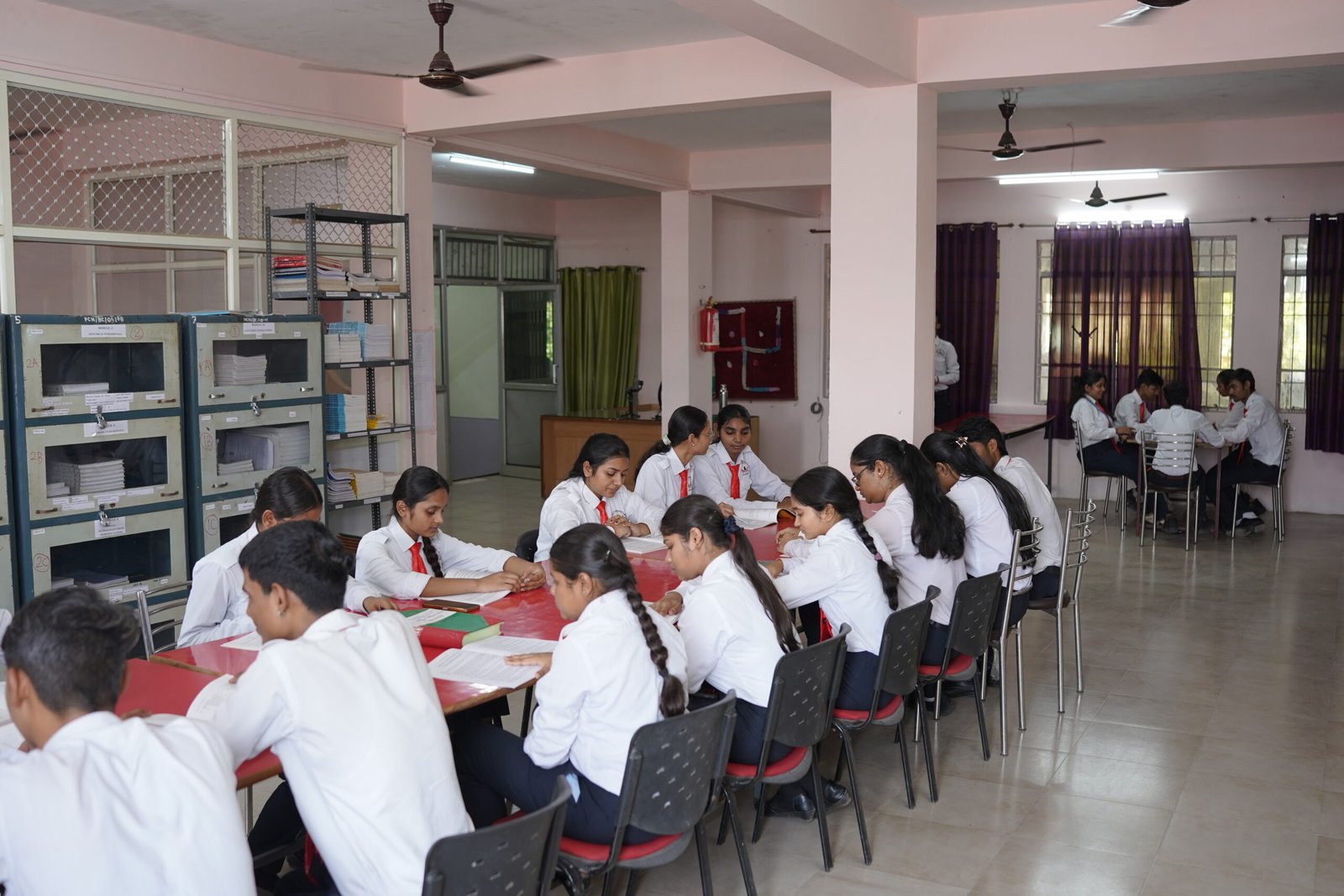
Engine system lab
The engine system lab at Redwings helps students see engine construction and systems up close.
- Engine lab
- Cutaway study
- Faculty guidance
- Module revision
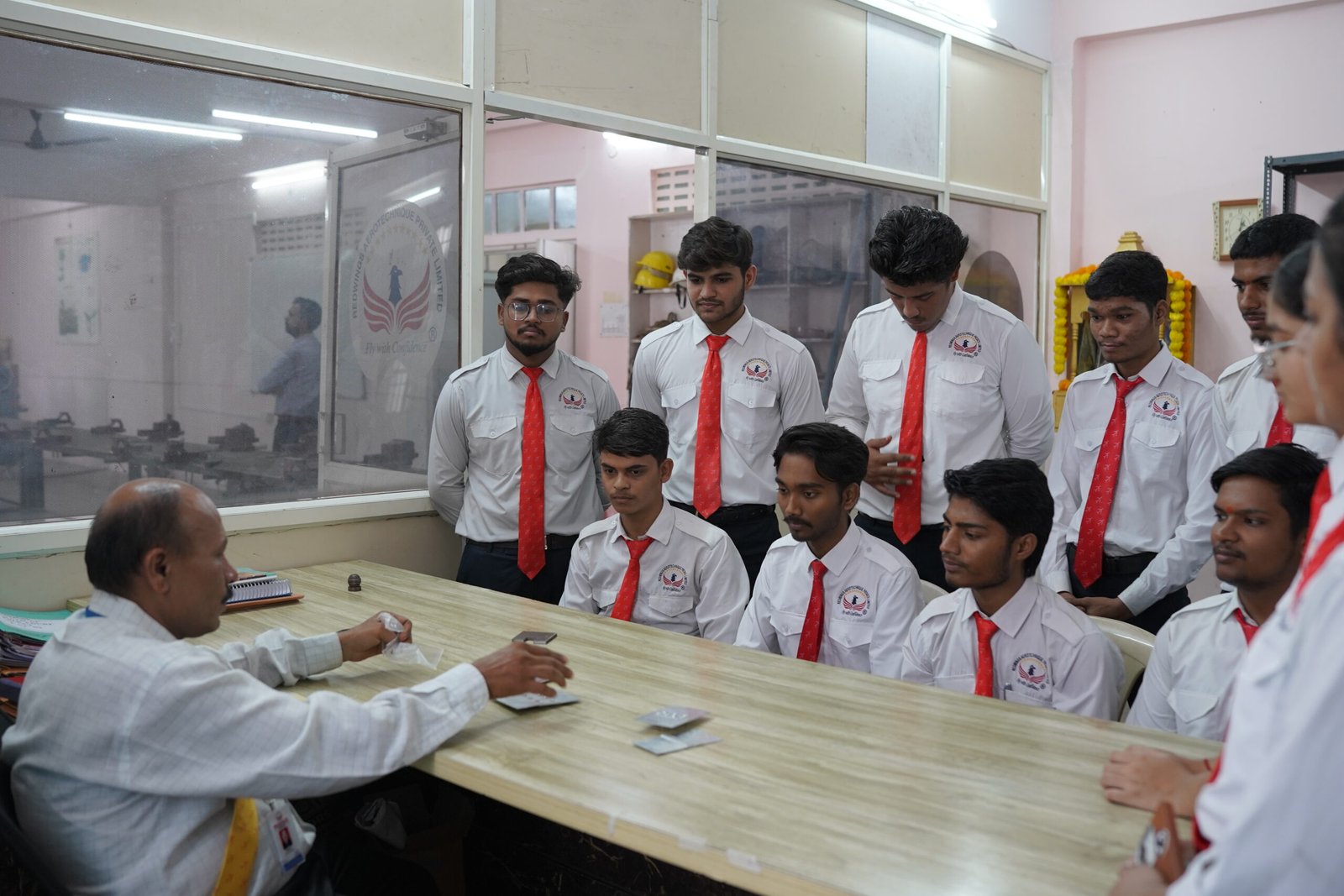
Train at Redwings Aerotechnique, Bhopal
Redwings Aerotechnique is a DGCA-approved CAR-147 basic maintenance training organisation in Bhopal, Madhya Pradesh. It is part of Redwings Group, which also runs its own DGCA-approved CAR-145 maintenance, repair and overhaul organisation. This connection means students learn aircraft maintenance from people who work to real industry standards every day.
Students can choose the B1.1 (turbine aeroplanes), B1.2 (piston aeroplanes) or B2 (avionics) stream, or the dual programme AME + B.E. Classes follow the DGCA syllabus and are supported by an engine system lab, airframe system lab, electrical, radio navigation, instrument and battery workshops, a general workshop, audio-visual classrooms and a library. Teaching and counselling are available in Hindi and English.
Admission is through the Redwings Aerotechnique admission test, or by direct joining after an eligibility check. Merit scholarships are offered on the admission test score. Redwings students have recorded 100% results in DGCA module examinations across several sessions, and the first Redwings batch achieved 100% placement in airline and MRO jobs.
You are welcome to visit the Bhopal campus to see the labs and workshops, meet the faculty and talk to the admission team before you decide. Parents can join the counselling session too.
Visit or call us
- Pragyan Nursing College Campus, Abbas Nagar, Gondermau, Bypass Road, Gandhi Nagar, near R.G.P.V., Bhopal 462036
- +91 95891 97505
- +91 96855 57506
- redwingsaerotechnique@gmail.com
Why students choose Redwings
Studying Module 15 the smart way
Module 15 is one of the most important modules for B1.1 students because turbine engines power most airliners. It is also one of the largest modules, so a planned approach helps.
Build the basics first
Start with the working cycle of a gas turbine: intake, compression, combustion, expansion and exhaust. Once this is clear, each engine section and system makes more sense.
Study section by section
Learn inlets, compressors, combustion chambers, turbines and exhausts one at a time, including their construction, materials and common defects. Then study the systems: lubrication, fuel, air, starting, ignition, indication and fire protection.
Link to real maintenance
Think about how each section is inspected. Borescope inspections look for blade damage and burning, oil analysis detects bearing wear, and trend monitoring shows changes in engine health.
Practise and revise
Use diagrams, make short notes for each section and practise questions regularly. Revisit difficult topics such as engine performance and thrust calculations several times.
Support at Redwings
Faculty teach Module 15 step by step, with the engine system lab supporting understanding of construction, and regular doubt sessions before the DGCA exam.
Questions answered
Short, clear answers to the questions students and parents ask most. Still unsure about anything? Our admission team is happy to help.
Who studies Module 15?
B1.1 students.
Does B1.2 study it?
No, B1.2 studies Module 16 Piston Engine.
Is it important for airline jobs?
Yes, airliners use turbine engines.
What is a turboprop?
A gas turbine engine that drives a propeller.
Keep reading
Related pages and guides from Redwings.