


The basics of aircraft electricity
Module 3 introduces electron theory, static electricity, voltage, current, resistance, power, DC and AC circuits, capacitors, magnetism, inductance, generators, motors and transformers.
Every modern aircraft depends on electrical power for lights, instruments, avionics and engine control, so this module matters for both B1 and B2 engineers.
What you study in Module 3
Circuit basics
Voltage, current, resistance and Ohm’s law.
DC and AC
Direct and alternating current and their circuits.
Magnetism
Magnetic fields, inductance and electromagnetism.
Machines
Generators, motors and transformers.
Where electrical knowledge is used
Engineers check wiring, measure voltage and resistance, test batteries and generators, and find faults in electrical circuits.
Safe practices around aircraft electrical systems start with a clear understanding of these fundamentals.
- Wiring checks
- Multimeter use
- Battery and generator tests
- Electrical safety
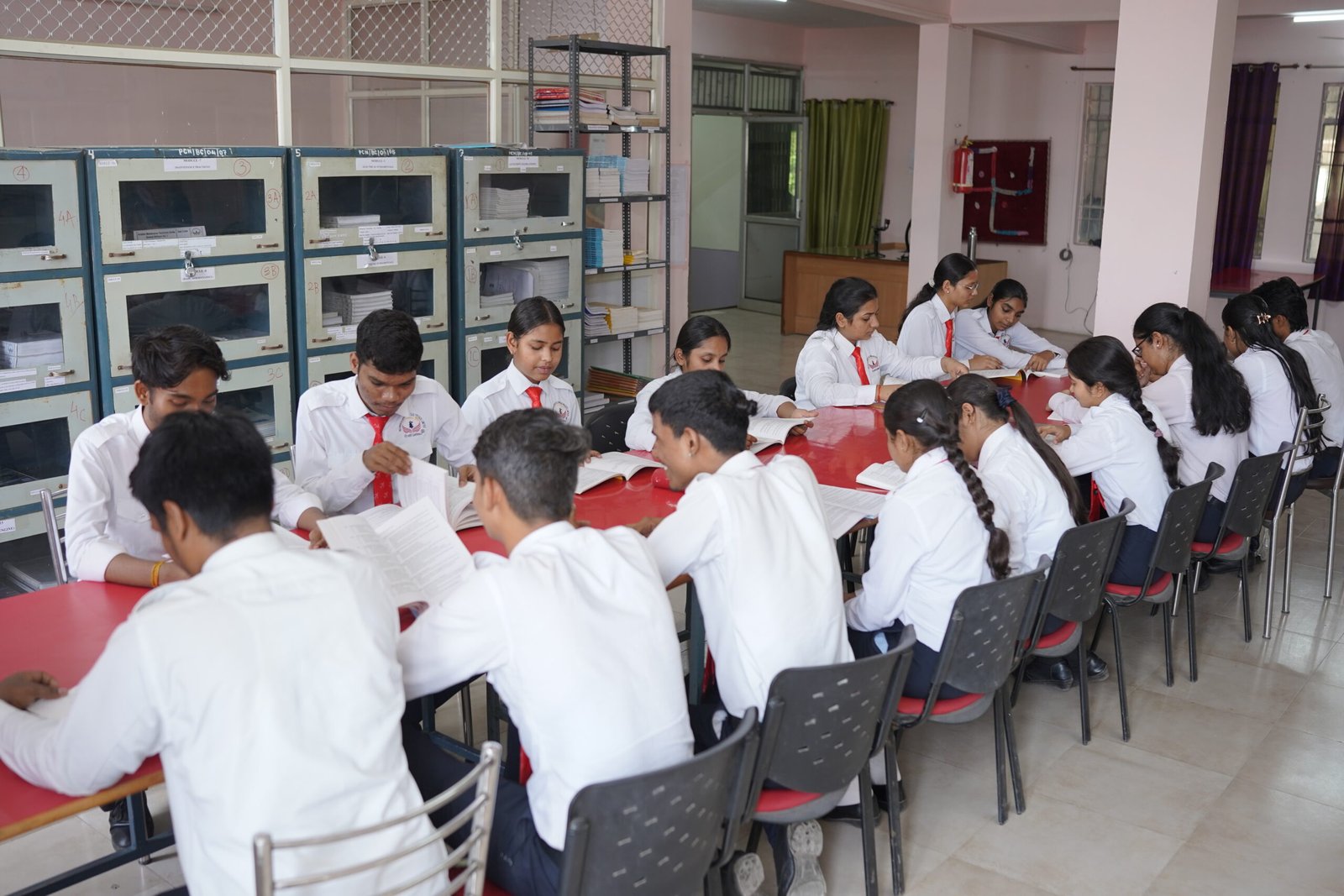
Electrical workshop at Redwings
Students practise in the electrical workshop and battery workshop on campus, linking Module 3 theory to hands-on work.
- Electrical workshop
- Battery workshop
- Circuit practicals
- Faculty guidance
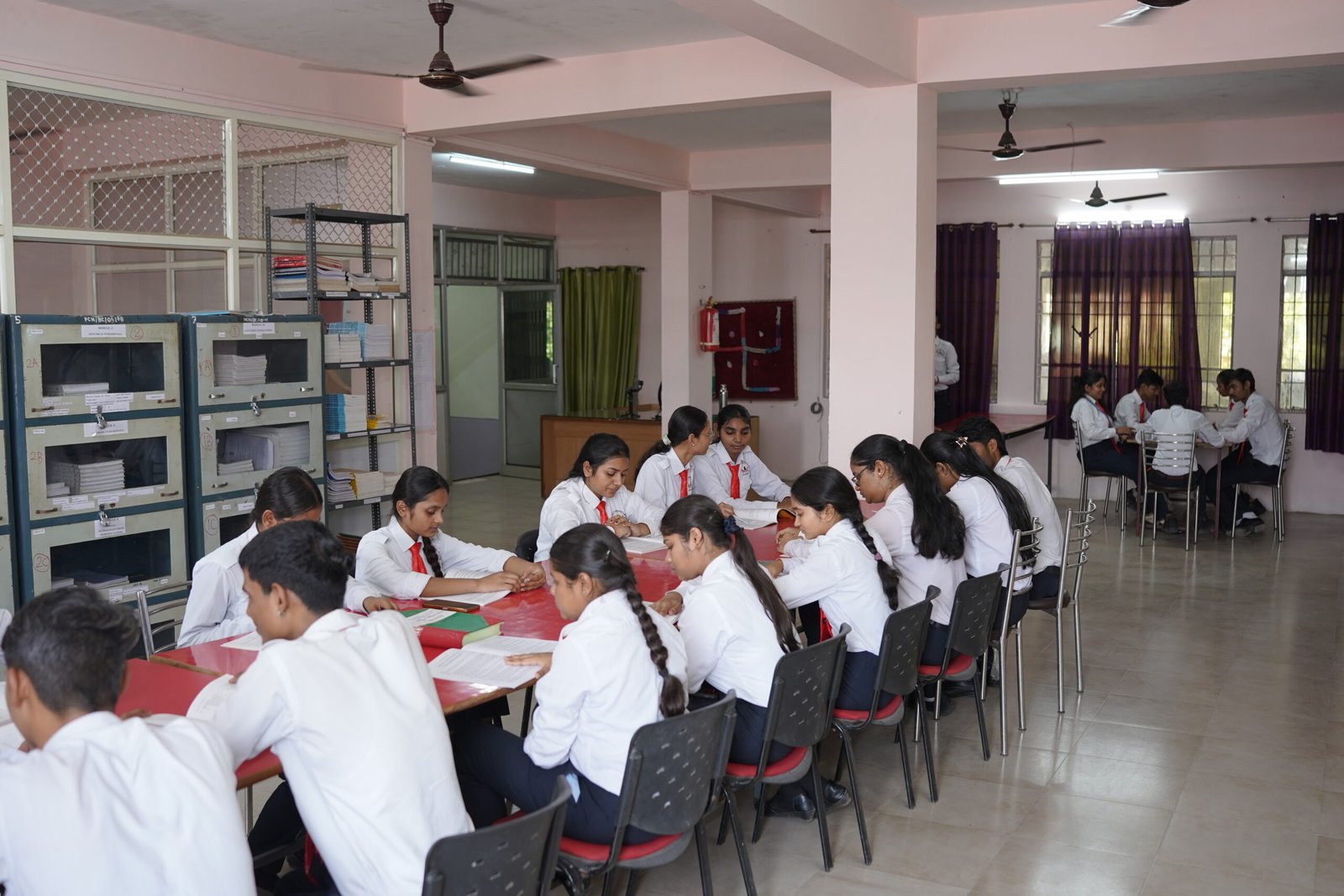
Train at Redwings Aerotechnique, Bhopal
Redwings Aerotechnique is a DGCA-approved CAR-147 basic maintenance training organisation in Bhopal, Madhya Pradesh. It is part of Redwings Group, which also runs its own DGCA-approved CAR-145 maintenance, repair and overhaul organisation. This connection means students learn aircraft maintenance from people who work to real industry standards every day.
Students can choose the B1.1 (turbine aeroplanes), B1.2 (piston aeroplanes) or B2 (avionics) stream, or the dual programme AME + B.E. Classes follow the DGCA syllabus and are supported by an engine system lab, airframe system lab, electrical, radio navigation, instrument and battery workshops, a general workshop, audio-visual classrooms and a library. Teaching and counselling are available in Hindi and English.
Admission is through the Redwings Aerotechnique admission test, or by direct joining after an eligibility check. Merit scholarships are offered on the admission test score. Redwings students have recorded 100% results in DGCA module examinations across several sessions, and the first Redwings batch achieved 100% placement in airline and MRO jobs.
You are welcome to visit the Bhopal campus to see the labs and workshops, meet the faculty and talk to the admission team before you decide. Parents can join the counselling session too.
Visit or call us
- Pragyan Nursing College Campus, Abbas Nagar, Gondermau, Bypass Road, Gandhi Nagar, near R.G.P.V., Bhopal 462036
- +91 95891 97505
- +91 96855 57506
- redwingsaerotechnique@gmail.com
Why students choose Redwings
Electrical safety starts with the fundamentals
Aircraft electrical systems can carry dangerous voltages and currents. Understanding the fundamentals keeps engineers and aircraft safe.
Reading circuits
Module 3 teaches how voltage, current and resistance relate, how series and parallel circuits behave and how AC differs from DC. This makes wiring diagrams readable.
Measuring correctly
Engineers learn to use multimeters and other test equipment correctly, choosing the right range and isolating power before working.
Machines and magnetism
Generators, motors and transformers all depend on magnetism. Understanding them helps engineers maintain power generation and actuation systems.
Building a strong base
Module 3 is the base for Electronic Fundamentals, Digital Techniques and the aircraft systems modules, so time spent understanding it pays off throughout the course.
Learning it at Redwings
The electrical and battery workshops let students practise what they learn in class.
Questions answered
Short, clear answers to the questions students and parents ask most. Still unsure about anything? Our admission team is happy to help.
Is Module 3 only for B2?
No. It is common to B1 and B2.
Do I need an electrical background?
No. The module starts from the basics.
Are there practicals?
Yes, in the electrical and battery workshops.
What follows Module 3?
Module 4 Electronic Fundamentals.
Keep reading
Related pages and guides from Redwings.