


Electronics inside the aircraft
Module 4 covers semiconductors such as diodes and transistors, integrated circuits, printed circuit boards and the basics of servomechanisms.
These components are found in instruments, radios, sensors and control units across the aircraft.
What you study in Module 4
Semiconductors
How diodes and transistors work and where they are used.
Integrated circuits
Basic logic and amplifier circuits.
PCBs
Printed circuit boards and their handling.
Servomechanisms
Feedback systems that move controls and indicators.
Electronics on modern aircraft
Avionics boxes, sensors and control systems rely on electronics. Engineers must handle components carefully, including protection against static discharge.
Module 4 prepares you for digital techniques and instrument systems in later modules.
- Avionics units
- Sensors and transducers
- Static-sensitive devices
- Feedback control
Preparing for Module 4
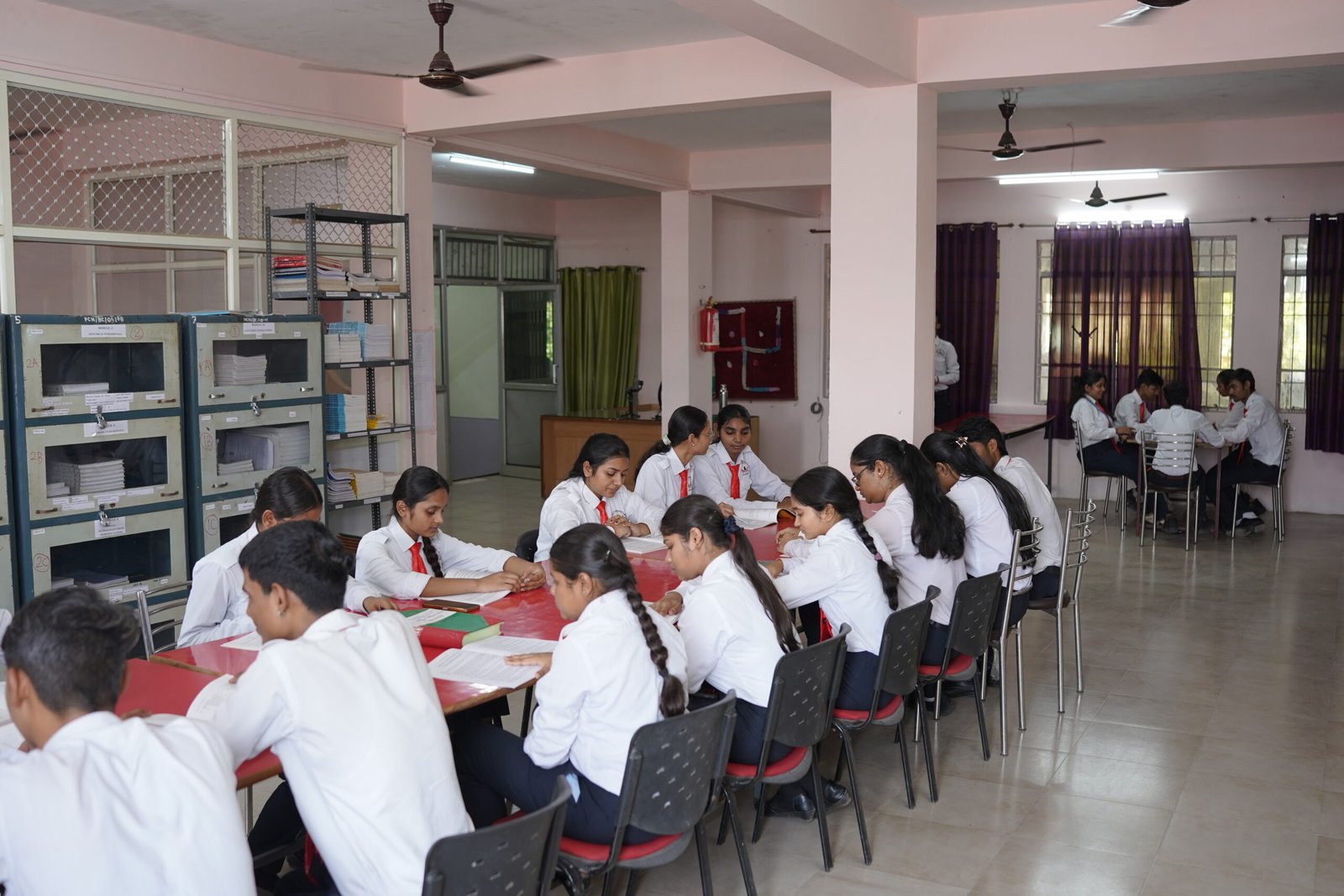
Understand each component’s job before memorising details. Draw simple circuits and link them to aircraft examples.
- Component basics
- Circuit diagrams
- Aircraft examples
- Practice questions
Train at Redwings Aerotechnique, Bhopal
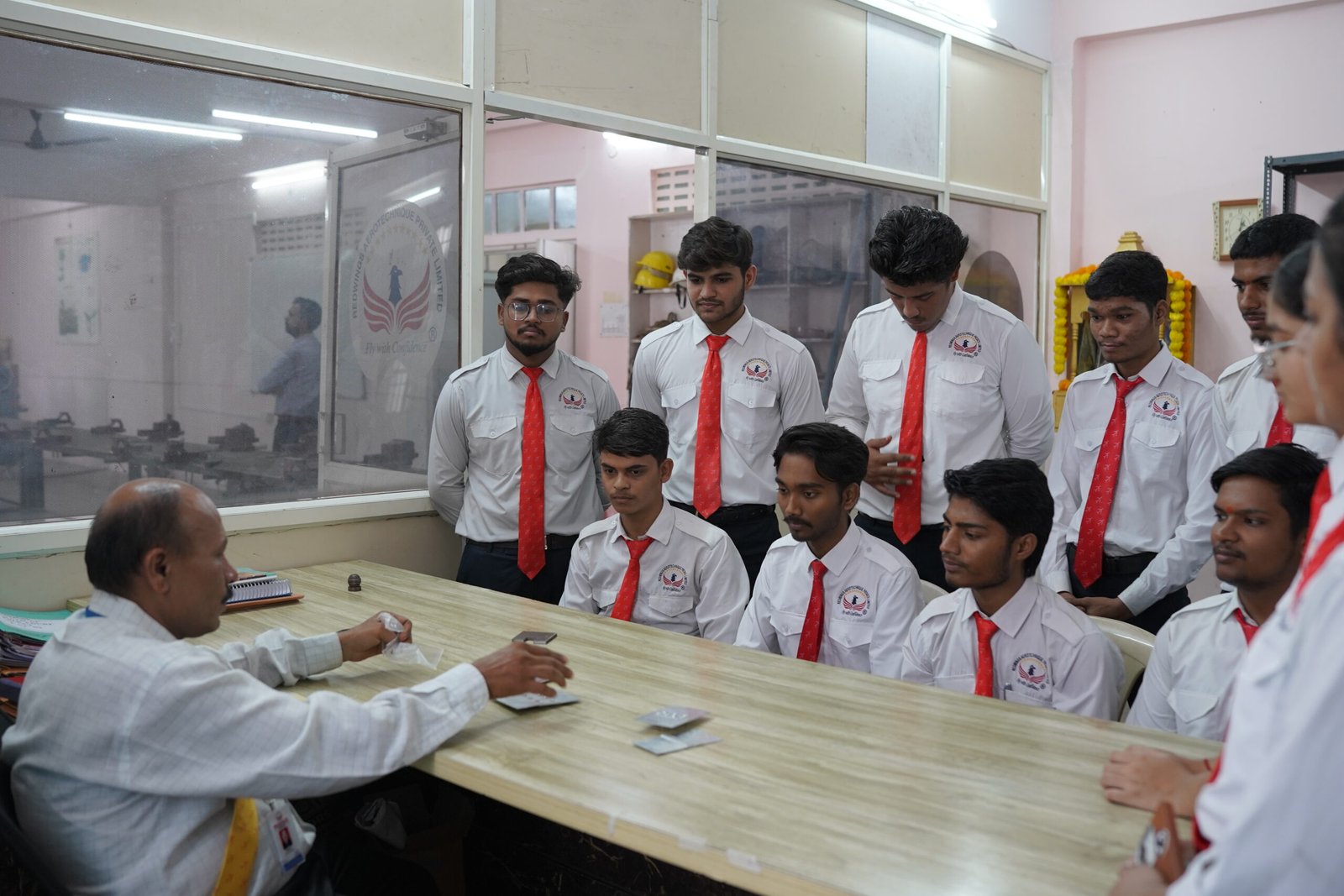
Redwings Aerotechnique is a DGCA-approved CAR-147 basic maintenance training organisation in Bhopal, Madhya Pradesh. It is part of Redwings Group, which also runs its own DGCA-approved CAR-145 maintenance, repair and overhaul organisation. This connection means students learn aircraft maintenance from people who work to real industry standards every day.
Students can choose the B1.1 (turbine aeroplanes), B1.2 (piston aeroplanes) or B2 (avionics) stream, or the dual programme AME + B.E. Classes follow the DGCA syllabus and are supported by an engine system lab, airframe system lab, electrical, radio navigation, instrument and battery workshops, a general workshop, audio-visual classrooms and a library. Teaching and counselling are available in Hindi and English.
Admission is through the Redwings Aerotechnique admission test, or by direct joining after an eligibility check. Merit scholarships are offered on the admission test score. Redwings students have recorded 100% results in DGCA module examinations across several sessions, and the first Redwings batch achieved 100% placement in airline and MRO jobs.
You are welcome to visit the Bhopal campus to see the labs and workshops, meet the faculty and talk to the admission team before you decide. Parents can join the counselling session too.
Visit or call us
- Pragyan Nursing College Campus, Abbas Nagar, Gondermau, Bypass Road, Gandhi Nagar, near R.G.P.V., Bhopal 462036
- +91 95891 97505
- +91 96855 57506
- redwingsaerotechnique@gmail.com
Why students choose Redwings
Electronics you will meet in the hangar
Electronic components are everywhere on modern aircraft, from sensors and control boxes to displays and radios.
Why Module 4 matters
Understanding diodes, transistors and integrated circuits helps engineers understand how avionic units process signals, why they fail and how to handle them safely.
Handling sensitive parts
Many electronic components can be damaged by static electricity. Engineers use wrist straps, special bags and correct procedures when handling them.
From theory to fault finding
Module 4 also introduces servomechanisms, the feedback systems that move control surfaces and instrument pointers. This knowledge helps when troubleshooting systems that do not respond correctly.
Learning it at Redwings
Faculty explain each component with simple circuits and aircraft examples, and students see equipment in the electrical, radio and instrument workshops.
Questions answered
Short, clear answers to the questions students and parents ask most. Still unsure about anything? Our admission team is happy to help.
Which streams study Module 4?
It is part of the syllabus for B1 and B2, with more depth for B2.
Is it difficult?
With the basics from Module 3, it is manageable.
Is there lab work?
Yes, through the electrical, radio and instrument workshops.
What comes next?
Module 5 Digital Techniques and Electronic Instrument Systems.
Keep reading
Related pages and guides from Redwings.