


What a base maintenance engineer does
Base maintenance is the heavier, scheduled maintenance done in a hangar, when an aircraft is taken out of service for days or weeks. It includes detailed inspections, structural checks, component changes, modifications and corrosion control.
Base maintenance engineers work in larger teams and follow detailed work packages. The work is planned in advance and focuses on keeping the aircraft airworthy for the long term.
For AME graduates, base maintenance gives deep exposure to aircraft structures and systems, which is valuable for building a strong foundation.
Typical base maintenance tasks
Scheduled checks
Detailed inspections at set flight-hour or calendar intervals.
Structural inspection
Looking for cracks, corrosion and damage.
Component changes
Removing and installing major components.
Modifications
Embodying service bulletins and approved changes.
Skills for base maintenance
Base maintenance needs patience and precision. Engineers follow task cards step by step, use special tools and record findings carefully.
Knowledge of materials, hardware, corrosion and non-destructive testing is especially useful in the hangar.
- Reading task cards and manuals
- Use of special tools
- Materials and corrosion knowledge
- Careful record keeping
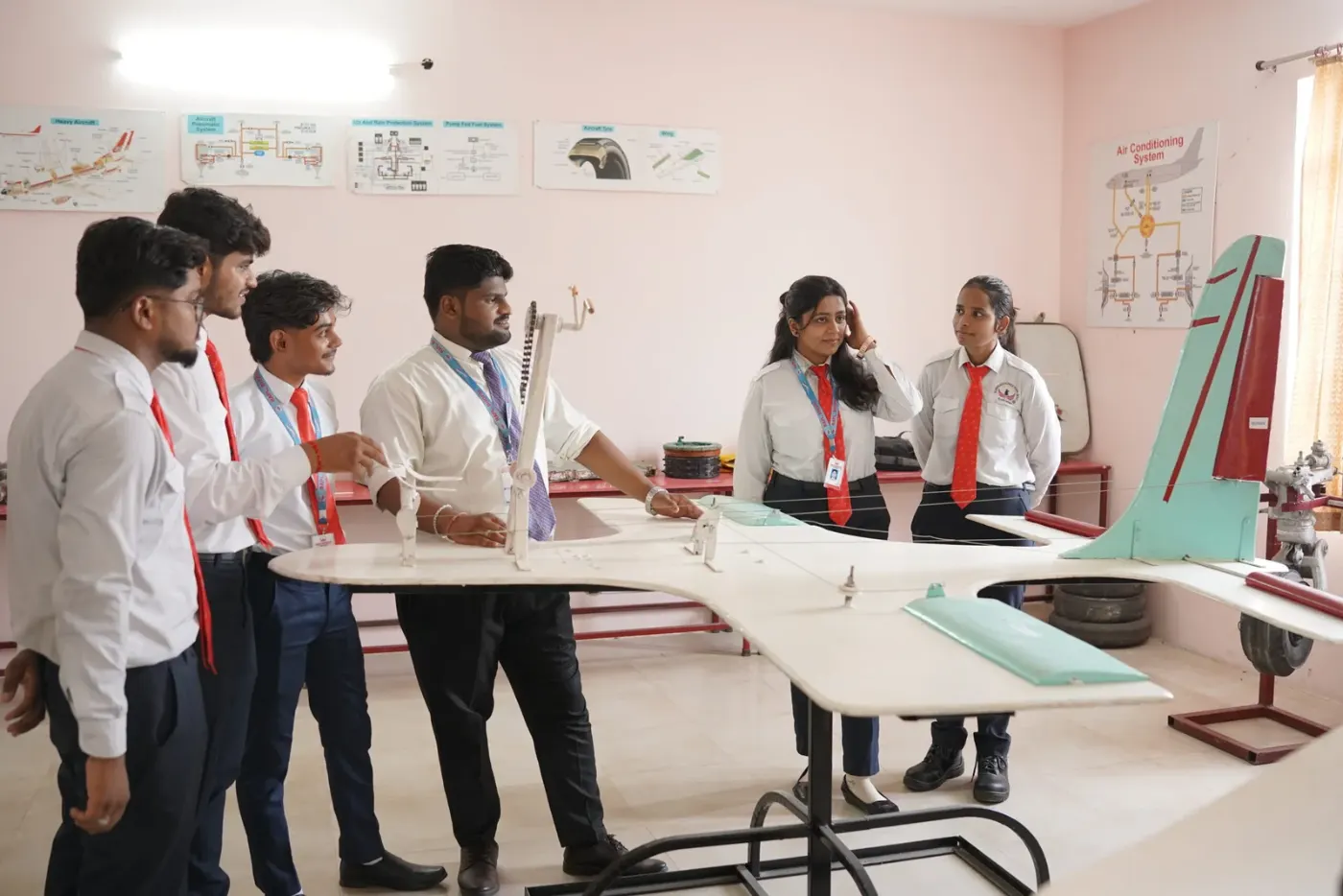
Preparing for hangar work
Redwings Aerotechnique students practise in the airframe and engine labs and the general workshop, and learn from the culture of the Redwings Group CAR-145 MRO.
This hands-on base helps graduates settle quickly into hangar teams at MROs and airlines.
- Airframe and engine labs
- General workshop practice
- Exposure to a working MRO
- DGCA syllabus modules
Train at Redwings Aerotechnique, Bhopal
Redwings Aerotechnique is a DGCA-approved CAR-147 basic maintenance training organisation in Bhopal, Madhya Pradesh. It is part of Redwings Group, which also runs its own DGCA-approved CAR-145 maintenance, repair and overhaul organisation. This connection means students learn aircraft maintenance from people who work to real industry standards every day.
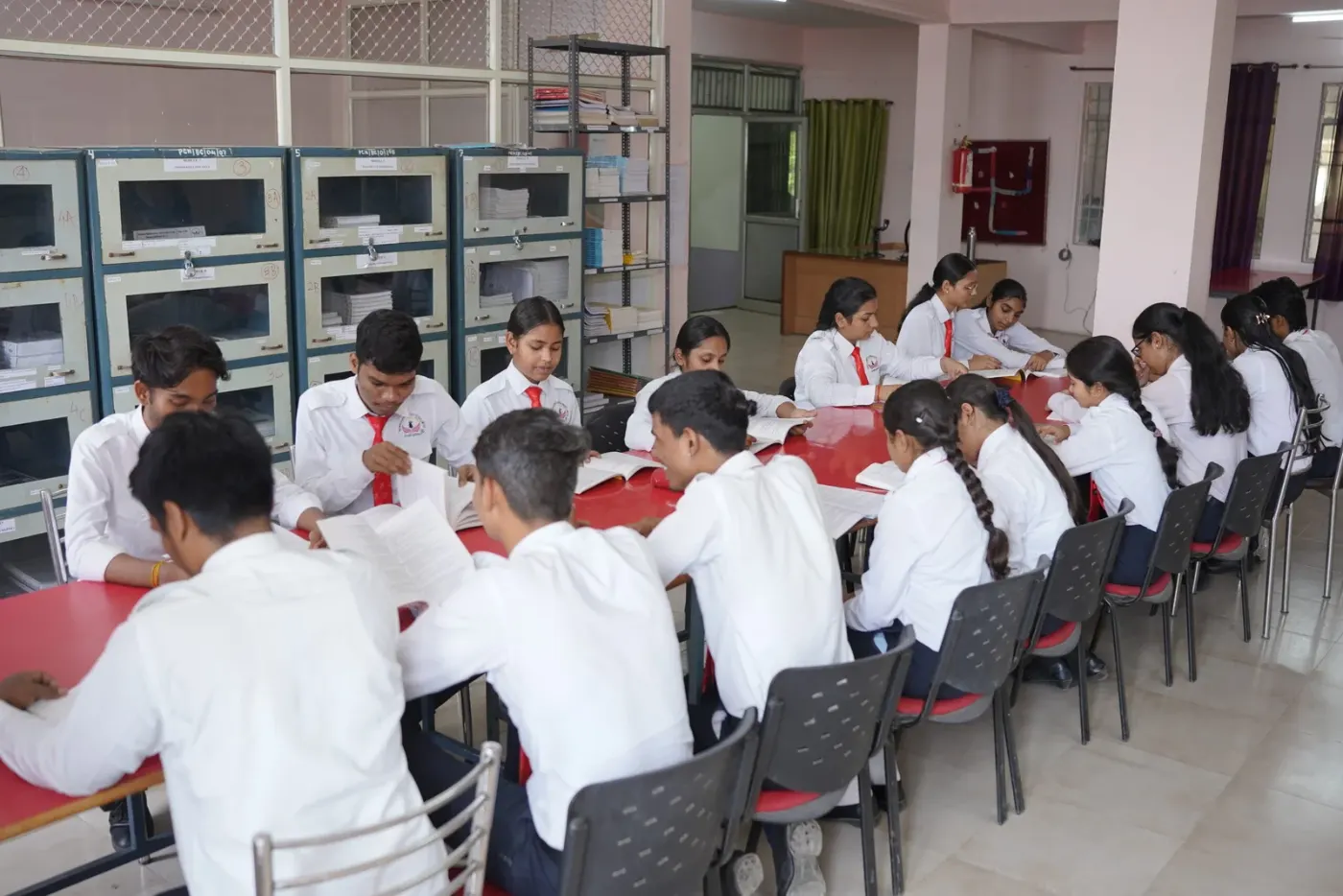
Students can choose the B1.1 (turbine aeroplanes), B1.2 (piston aeroplanes) or B2 (avionics) stream, or the dual programme AME + B.E. Classes follow the DGCA syllabus and are supported by an engine system lab, airframe system lab, electrical, radio navigation, instrument and battery workshops, a general workshop, audio-visual classrooms and a library. Teaching and counselling are available in Hindi and English.
Admission is through the Redwings Aerotechnique admission test, the Redwings aptitude test, or by direct joining after an eligibility check. Merit scholarships are offered on the admission test score. Redwings students have recorded 100% results in DGCA module examinations across several sessions, and the first Redwings batch achieved 100% placement in airline and MRO jobs.
You are welcome to visit the Bhopal campus to see the labs and workshops, meet the faculty and talk to the admission team before you decide. Parents can join the counselling session too.
Visit or call us
- Pragyan Nursing College Campus, Abbas Nagar, Gondermau, Bypass Road, Gandhi Nagar, near R.G.P.V., Bhopal 462036
- +91 95891 97505
- +91 96855 57506
- redwingsaerotechnique@gmail.com
Why students choose Redwings
Questions answered
Short, clear answers to the questions students and parents ask most. Still unsure about anything? Our admission team is happy to help.
What is base maintenance?
Scheduled heavy maintenance done in a hangar while the aircraft is out of service.
How is it different from line maintenance?
Line work happens between flights at the airport; base work is planned, longer and more detailed.
Who does base maintenance?
MROs and airline engineering departments with hangar facilities.
Is base maintenance good for freshers?
Yes. It gives detailed exposure to structures and systems.
How do I start?
Call +91 95891 97505 or fill the enquiry form, and the Redwings admission team will guide you.
Keep reading
Related pages and guides from Redwings.