
A career in aircraft avionics
Avionics engineers look after the electrical and electronic systems of an aircraft: instruments, displays, autopilot, radio communication, navigation, weather radar and electrical power. In India, the DGCA licence category for this work is B2.
Modern aircraft depend heavily on avionics, so engineers who understand electrical and digital systems are needed at airlines, MROs and avionics shops.
Students with an interest in electronics, or a diploma in electrical or electronics, often find the B2 stream a natural fit.
What avionics engineers work on
Instruments
Flight and engine instruments and displays.
Communication
VHF and HF radios and interphone systems.
Navigation
Navigation receivers, transponders and radar.
Electrical power
Generators, batteries, distribution and wiring.
How B2 training prepares you
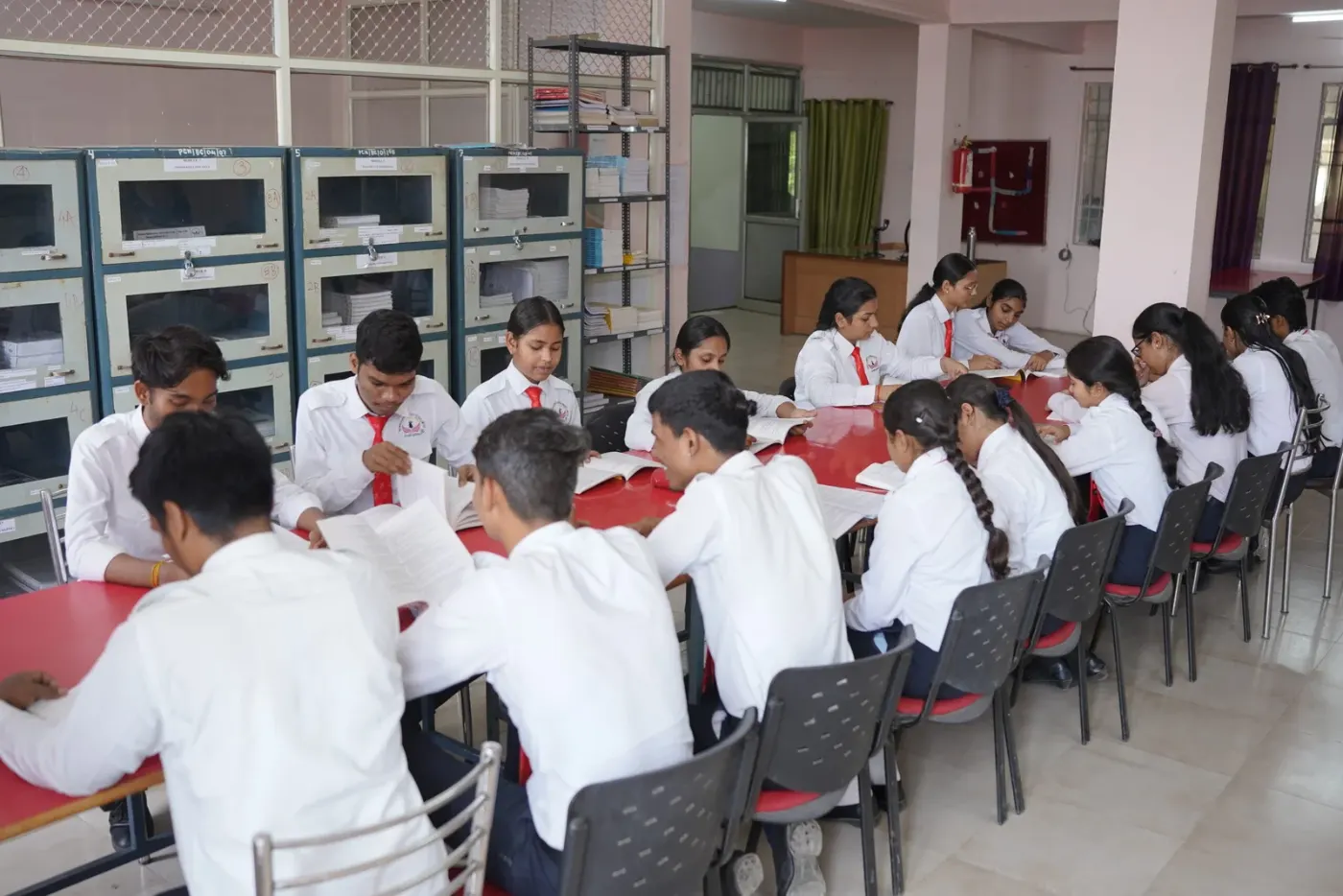
At Redwings Aerotechnique, B2 students study the DGCA modules for avionics and practise in the radio navigation, instrument, electrical and battery workshops.
Strong fundamentals in electrical, electronic and digital techniques are the base of every avionics job.
- Radio navigation workshop
- Instrument workshop
- Electrical and battery workshops
- DGCA module preparation
Growing as an avionics engineer
Engineers usually start with line or base avionics tasks under supervision. After the licence and experience, they can certify avionics work and add type ratings for specific aircraft.
Some move into component shops, technical services or quality roles later in their careers.
- Line and base avionics work
- Avionics component shops
- Type ratings with experience
- Technical services and quality
Train at Redwings Aerotechnique, Bhopal
Redwings Aerotechnique is a DGCA-approved CAR-147 basic maintenance training organisation in Bhopal, Madhya Pradesh. It is part of Redwings Group, which also runs its own DGCA-approved CAR-145 maintenance, repair and overhaul organisation. This connection means students learn aircraft maintenance from people who work to real industry standards every day.
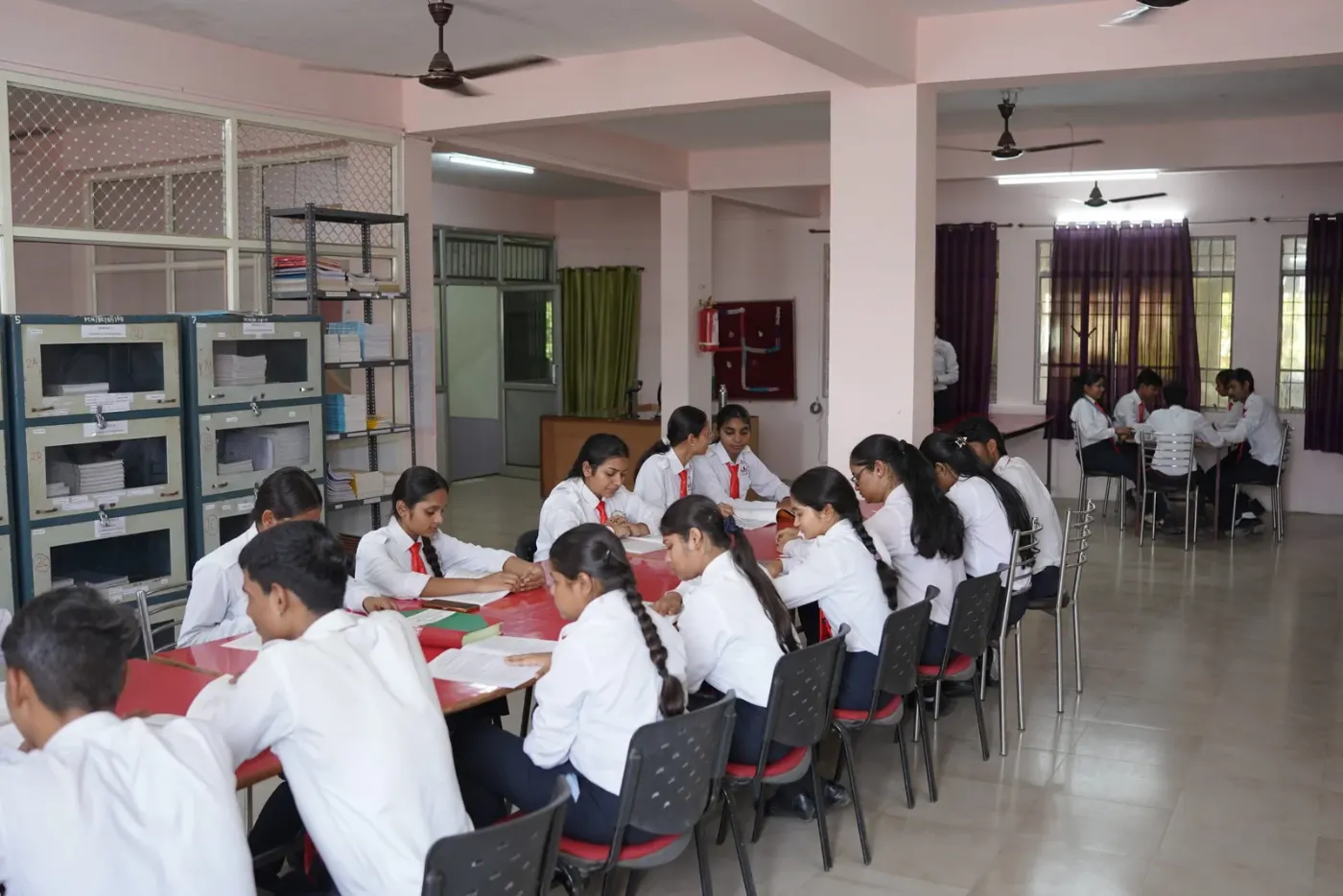
Students can choose the B1.1 (turbine aeroplanes), B1.2 (piston aeroplanes) or B2 (avionics) stream, or the dual programme AME + B.E. Classes follow the DGCA syllabus and are supported by an engine system lab, airframe system lab, electrical, radio navigation, instrument and battery workshops, a general workshop, audio-visual classrooms and a library. Teaching and counselling are available in Hindi and English.
Admission is through the Redwings Aerotechnique admission test, the Redwings aptitude test, or by direct joining after an eligibility check. Merit scholarships are offered on the admission test score. Redwings students have recorded 100% results in DGCA module examinations across several sessions, and the first Redwings batch achieved 100% placement in airline and MRO jobs.
You are welcome to visit the Bhopal campus to see the labs and workshops, meet the faculty and talk to the admission team before you decide. Parents can join the counselling session too.
Visit or call us
- Pragyan Nursing College Campus, Abbas Nagar, Gondermau, Bypass Road, Gandhi Nagar, near R.G.P.V., Bhopal 462036
- +91 95891 97505
- +91 96855 57506
- redwingsaerotechnique@gmail.com
Why students choose Redwings
Questions answered
Short, clear answers to the questions students and parents ask most. Still unsure about anything? Our admission team is happy to help.
Which licence covers avionics?
DGCA licence category B2.
Is B2 good for electronics students?
Yes. Diploma holders in electrical or electronics are eligible and find the subjects familiar.
How long is B2 basic training?
2400 hours over three years at Redwings Aerotechnique.
Where do avionics engineers work?
Airlines, MROs, avionics shops and helicopter operators.
How do I apply?
Call +91 95891 97505 or fill the enquiry form, and the Redwings admission team will guide you.
Keep reading
Related pages and guides from Redwings.